
By visiting Split at the worst time, we were able to learn more than most tourists ever could.
We were three hours into the drive from Ljubljana when it hit us. Somehow, we’d overlooked one tiny detail. Split has an off-season.
The thought had never entered our minds. This is the second-biggest city in Croatia. The same Croatia that Lonely Planet included among its Top 10 countries to visit in 2024.
I know Dubrovnik and the islands are the most popular destinations, but I didn’t expect Split to follow the likes of Valletta and Mykonos and hibernate until the cruise ships returned in spring. As it turns out, that’s exactly what it does, and we were about to spend a month there, in late winter.
Google said no
The reality dawned on us when we looked at where to eat on our first night. Google seemed to have a problem. According to them, everything we looked at was ‘temporarily closed’. One look at a restaurant’s Facebook page explained everything. They were closed for the off-season. As was the main pub I’d taken a fancy to. Oh crap!
This was quickly looking like an almighty mistake. The majority of places we’d planned to visit were closed. Our apartment was paid for and not refundable. We didn’t really have a choice. A month in a semi-closed Split was our home for the next month.
Beer with a side of smoke
To deal with the stress of the situation, I did what any good partner would, and found a local bar for us to take stock of our predicament. On the way, I found hope brewing inside me that it might not be as bad as we’d thought. There were still some things open, locals were still living here, and the pub I found looked good.
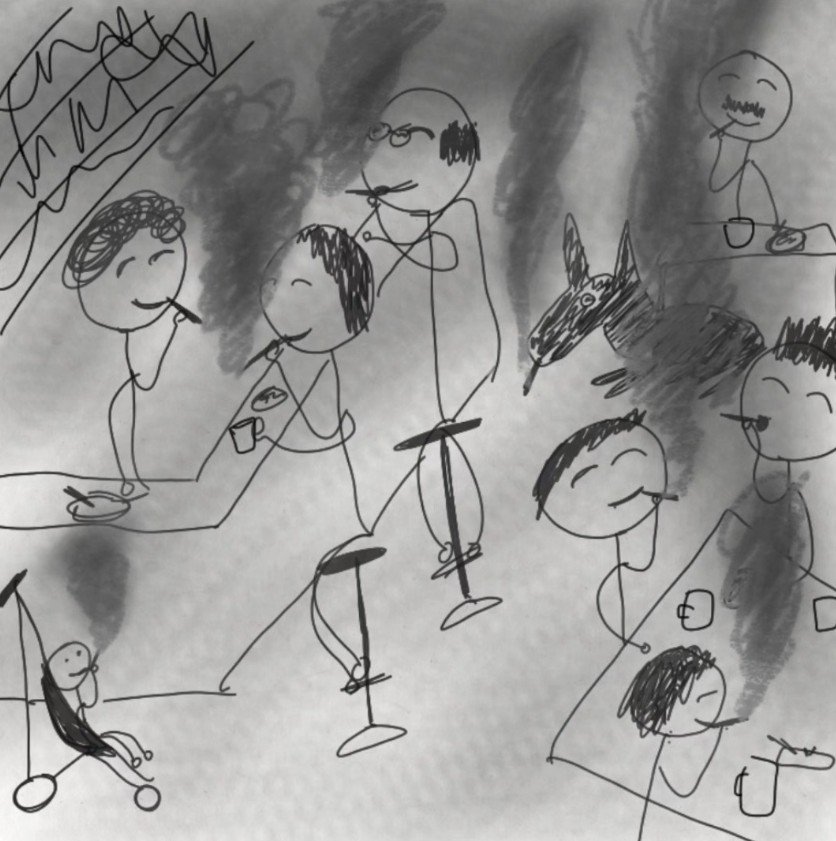
That hope dimmed, as did our visibility, as soon as we got to the pub and were hit with a wall of smoke.
It was like stepping back in time. At first, my senses didn’t know how to react. They hadn’t had to deal with this since the mid-noughties, before smoking bans became the norm back home. It didn’t take long for them to evaluate the situation and report back that it was best to get the hell out of there as quickly as possible.
A few weeks later, while getting my customary destination tattoo, I asked my local artist why so many people were still smoking indoors. She just laughed and explained that Balkan people don’t like being told what to do. Tell them not to smoke, and they’ll definitely do it.
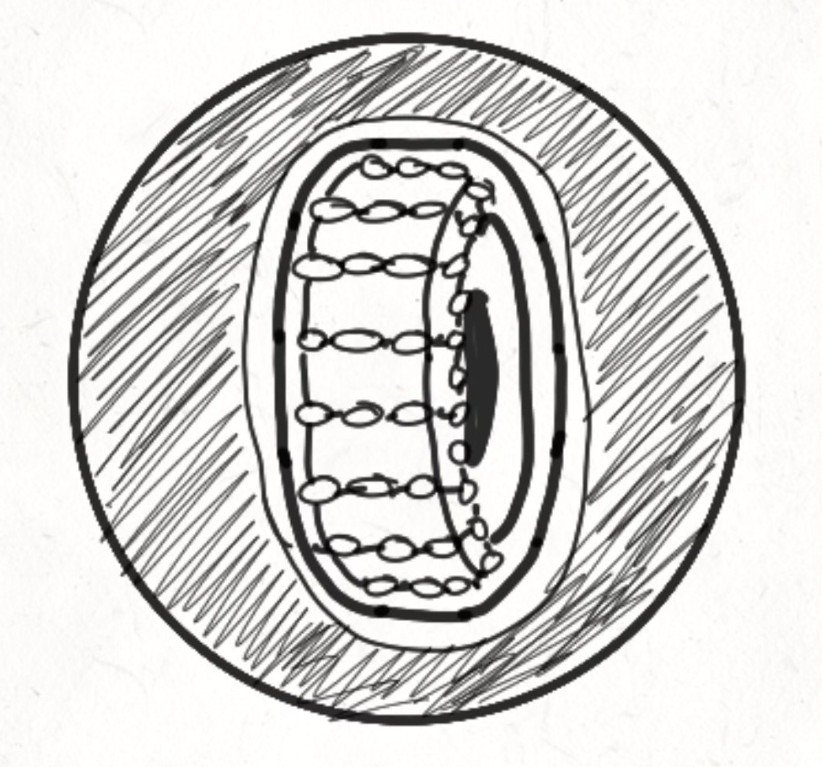
So, there went another pub from my list, and we were left standing outside in a haze of tobacco and confusion, clueless as to what to do next. Leaving was an option, and if it wasn’t for our better-than-normal apartment and the snow chain tyre signs along the motorways that filled me with anxiety on the drive down, we might’ve gone. My tyres were road safe, but ‘Alps in February safe’ was definitely up for debate.
A tale of two Splits
Over the next few weeks, we lived differently. We exercised. We cooked. I found one bar with a well-heated terrace that worked well enough. With so much time on our hands, we explored the streets more than usual. And it was by doing this that we discovered the stark contrast that exists in Split.
Along the waterfront, you’ll find a world of shiny elegance. Glass-walled bars are dotted along the promenade, selling oysters and champagne, with pretentious little gas fires keeping customers warm while they dine, sip and keep an eye on their million-dollar yachts moored up a few yards away.
I never got bored of watching the sun rise over the Adriatic. Morning walkies were definitely the highlight of Split. Even after a few weeks, I’d find myself stopping halfway through just to stare out across the water. This view alone is why people come to Split.
Things change when you walk away from the water.
In less than ten minutes, you’ve left the sparkly world behind you and entered the Split most cruise passengers never see. Not the one designed for free-spending tourists. The one where the locals go about their day to the backdrop of socialist Yugoslav-era architecture.
For many buildings, the brutalist painted concrete has long since faded and is well into the peeling stage. From where I was standing, it certainly didn’t feel as though the wealth from the waterfront was making it up the hill.
I’d booked to get a tattoo at a studio deep in the heart of residential Split. As she worked, we got chatting about life in the city. She told me that the cruise ships were harming traditional businesses.
In her view, the money was flowing to those along the waterfront and to government officials, while very little reached the rest of the city. She explained that local politicians had spent years promising regeneration beyond the tourist areas, but little had ever come of it.
What struck me most was the way she said it. There was no real anger or frustration, just a quiet acceptance from someone who no longer expected anything different.
Freshly inked and on my way back from the world of featureless concrete towers, down to the pristine cobbled streets, and back to the waterfront with the champagne, oysters and yachts, I realised that although our timing couldn’t have been much worse, it gave us a version of Split that most visitors never get to see.
I’d had time to explore what’s happening behind the tourist wall and leave with more knowledge of the local culture than would’ve been possible if we’d done the normal thing and visited during the busy season. I still don’t plan on returning during the busy season. At least not until all of the cigarettes have been put out.

About the author – The Sketchy Traveller
I’m not really a stickman, but it seems that I like portraying myself as one.
I’m an English guy who’s been travelling since 2017. I was never good at taking photos, sketching just seems to work better for me, and in my opinion, why do you want to see other people’s 4K videos and pictures of the world? Surely it’s better to see it for yourself. You can get in touch through the contact page or Instagram.
I look forward to hearing from you.
Happy travelling.